Events archive
-
 Using a large-scale correspondence study in French- and German-speaking Switzerland, this seminar examines how ethnic and linguistic boundaries shape access to early childcare.
 -
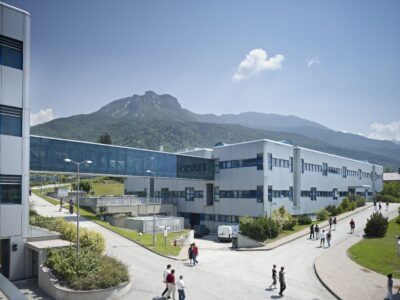 The Computer Vision Trento Symposium (CVTS), organised by FBK, brings together scientists, researchers, students, practitioners, and enthusiasts who share an interest in computer vision.
 -
 The NEVERMORE project, coordinated by FBK, concludes with its final event.
 -
 In a world of crisis and "dimming luminosity," this Trento workshop explores hope as an interdisciplinary practice. Moving beyond optimism, it uses philosophy and literature to transform modern anguish into a "semiotic device" for dignity and shared responsibility, seeking new languages for an uncertain future.
 -
 Eleonora Mencarini is among the speakers of this webinar organized by CMCC Foundation, ATEC within the framework of the NEVERMORE project.
 -
 FBK will host its own stand at the 18th edition of ICT Days, on the day focused on career guidance and job placement.
 -
 Workshop on Trends in Digital Identity - 20 | 21 April 2026
 -
Workshop sulla cyber-sicurezza e le PMI
-
 Submission deadline: 19 April 2026! Once again this year, young researchers from the Tyrol-South Tyrol-Trentino Euroregion are invited to submit their research projects for the 15th edition of the project.
 -
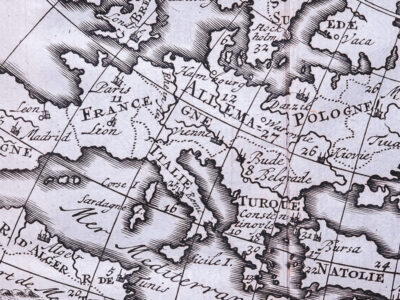 Slavery in the Mediterranean is often seen as shaped mainly by religious divides rather than race. Yet dark-skinned enslaved men and women were often in the most subordinate positions.
 -
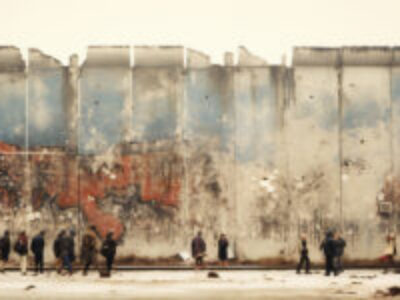 The workshop addresses two pressing questions in contemporary German history that continue to have significant implications in the present.
 -
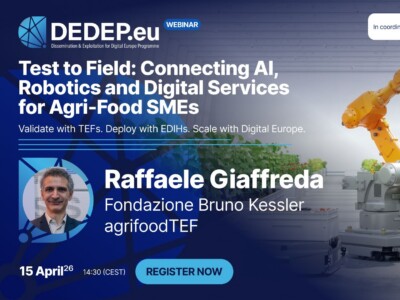 In this webinar Raffaele Giaffreda, FBK and agrifoodTEF Project Lead, will present how TEFs help technology providers prove value before scale-up, thus reducing risks for innovators, and the concrete services available through agrifoodTEF.